Exploring Throughput and Speed in Swiss Machining Operations
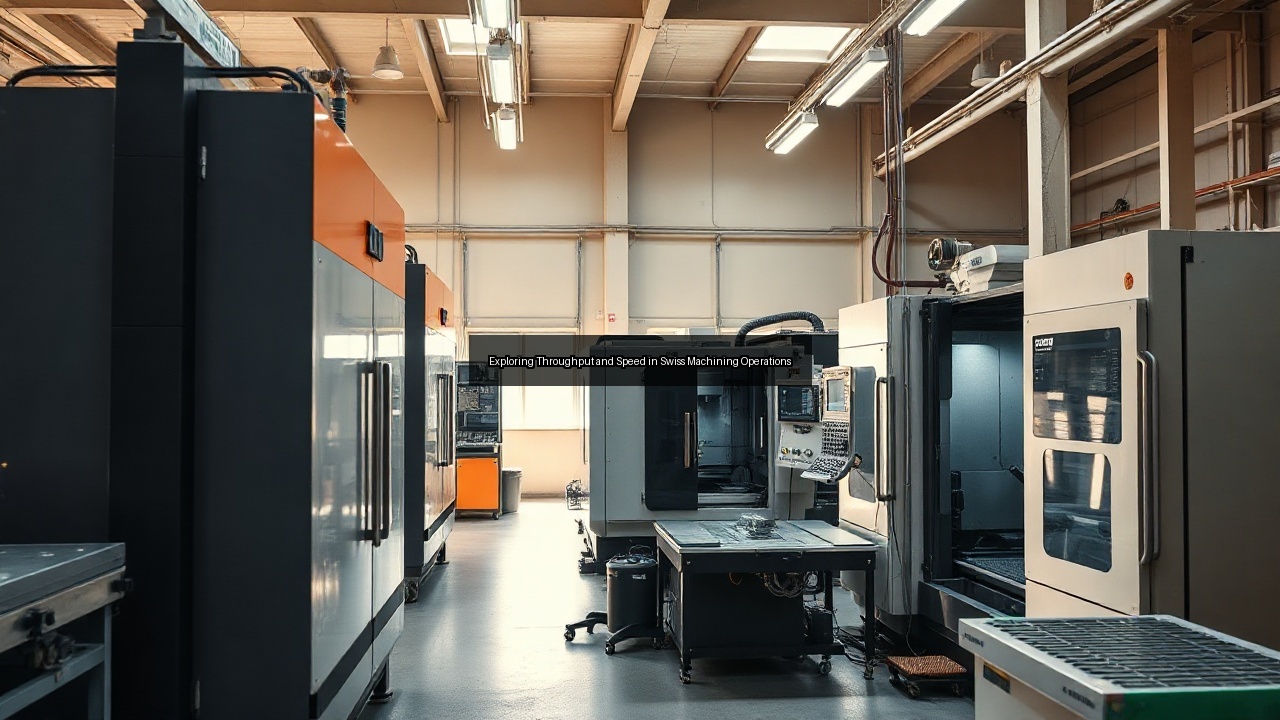
Understanding Swiss Machining Operations
Overview of Swiss Machining
Swiss machining stands at the forefront of precision manufacturing, renowned for its ability to produce intricate components with remarkable accuracy. Originating in Switzerland, this method utilizes specialized CNC machines known as Swiss screw machines. These machines excel at fabricating small, complex parts, often used in industries such as aerospace, automotive, and medical devices. The unique design of Swiss machines allows for the simultaneous movement of both the spindle and the workpiece, greatly enhancing efficiency and throughput. This innovative approach enables manufacturers to achieve high levels of precision while maintaining the speed necessary for high-volume production.
Key Components: Spindles and Tools
Spindles and tools form the backbone of Swiss machining operations. The spindle, which houses the cutting tool, rotates at high speeds to precisely shape the material being machined. The choice of tools, including specialized cutting tools for threading and milling, significantly impacts the quality of the finished product. Swiss machining often employs a range of tools made from durable materials such as carbide and high-speed steel to handle various processes, including CNC turning and CNC milling. Each component plays a crucial role in ensuring that the machined parts meet stringent tolerances and quality standards.
Materials Used in Swiss Machining
Swiss machining accommodates a diverse array of materials, each selected based on the specific application. Commonly machined materials include stainless steel, aluminum, copper, nylon, PTFE (Teflon), and acetal. The choice of material affects not only the machining speed but also the overall quality and durability of the final product. For instance, PTFE is favored for its low friction and chemical resistance, making it ideal for applications in the medical and aerospace sectors. Understanding the properties of these materials enables manufacturers to optimize their machining processes and achieve the desired balance of speed, efficiency, and precision.
Throughput and Speed in Swiss Machining
Factors Affecting Throughput
Throughput in Swiss machining directly correlates with several key factors. Machine speed, tool wear, material selection, and setup time all play critical roles. Higher spindle speeds can significantly increase the number of parts produced in a given timeframe, but this requires careful consideration of the tools and materials used. Additionally, the efficiency of the logistics management system influences how quickly materials and finished products move through the production pipeline. Implementing Just-In-Time (JIT) manufacturing principles can streamline operations, reduce waste, and enhance overall throughput. By assessing these factors, manufacturers can fine-tune their processes for optimal productivity.
Maximizing Speed in CNC Machining
To maximize speed in CNC machining, manufacturers focus on optimizing machine settings and tool paths. Adjusting feed rates, spindle speeds, and coolant flow can significantly enhance cutting performance. Utilizing advanced CNC machines equipped with high-speed spindles and precision tool holders allows for faster processing without sacrificing accuracy. Moreover, employing simulation software can help manufacturers visualize and refine machining strategies before actual production begins. This proactive approach minimizes errors and reduces cycle times, ultimately leading to a more efficient machining operation. Such advancements in technology enable companies to keep pace with growing demands for high-volume production.
Efficiency in Swiss Turning Processes
Efficiency in Swiss turning processes hinges on the integration of technology and skilled craftsmanship. The layout of the machining shop, choice of CNC machines, and operator expertise all contribute to operational efficiency. Streamlining workflows, reducing idle time, and employing multi-tasking machines can enhance productivity. Additionally, utilizing automated loading and unloading systems minimizes manual intervention, allowing for continuous operation. Emphasizing training for operators ensures they can adeptly handle complex setups and troubleshoot issues quickly. These strategies not only boost the efficiency of Swiss turning processes but also elevate the overall quality of the finished products.
Precision and Accuracy in Swiss Machining
Tolerances in Screw Machining
Tolerances represent a critical aspect of Swiss machining, particularly in the realm of screw machining. The ability to maintain tight tolerances ensures that machined parts fit precisely within their intended applications. Swiss machining techniques can achieve tolerances as tight as ±0.001 inches, which is essential for components used in cnc machining service high-stakes industries like aerospace and medical devices. Maintaining these tolerances requires advanced CNC machines, high-quality tools, and meticulous quality control processes. Regular calibration and maintenance of machines further enhance precision, ensuring that manufacturers consistently produce parts that meet or exceed client expectations.
The Role of CNC Lathes and Milling Machines
CNC lathes and milling machines play pivotal roles in Swiss machining operations. CNC lathes specialize in rotating the workpiece against the cutting tool, making them ideal for creating cylindrical components with high precision. Conversely, CNC milling machines employ rotating cutting tools to remove material from stationary workpieces, allowing for more complex shapes and features. Both types of machines can be programmed to achieve intricate designs and high accuracy, crucial for industries requiring reliable and precise components. Incorporating both technologies within a machining operation maximizes flexibility and efficiency, catering to a broad range of manufacturing needs.
Quality Standards: ISO 9001 Compliance
ISO 9001 compliance signifies a commitment to quality management principles in machining operations. This internationally recognized standard outlines requirements for a quality management system, ensuring consistent production processes and customer satisfaction. Companies that adhere to ISO 9001 standards demonstrate their dedication to continuous improvement, risk management, and efficient operation. Achieving ISO 9001 certification requires rigorous documentation, regular audits, and a culture of quality awareness among employees. For manufacturers in the competitive field of Swiss machining, compliance not only enhances credibility but also serves as a benchmark for operational excellence and customer trust.
Applications and Innovations in Swiss Machining
Industries Benefiting from Swiss Machining
Swiss machining serves a myriad of industries, each benefiting from its precision and efficiency. The aerospace sector relies on Swiss machining for producing lightweight yet robust components that meet stringent safety standards. In the medical field, manufacturers utilize this technique to create intricate parts for surgical instruments and implants. The automotive industry also leverages Swiss machining to produce high-volume, precision-engineered components, such as pins and screws, essential for vehicle assembly. Beyond these sectors, electronics and telecommunications companies increasingly turn to Swiss machining for high-precision connectors and housings. This widespread application underscores the versatility and importance of Swiss machining services across various markets.
Advancements in Materials: PTFE, Nylon, and Copper
Innovations in material science have expanded the possibilities of Swiss machining. Materials like PTFE (Teflon) and nylon offer unique properties such as chemical resistance and low friction, making them ideal for specific applications in medical and industrial sectors. Copper, known for its excellent conductivity, is frequently machined into components for electronics and electrical applications. The ability to work with these advanced materials enhances the performance of machined parts, providing manufacturers with a competitive edge. Additionally, the development of new alloys and composite materials continues to push the boundaries of what Swiss machining can achieve, enabling the production of increasingly sophisticated components.
Case Study: McCormick Industries and Swiss Machining Services
McCormick Industries exemplifies the successful application of Swiss machining services. By leveraging advanced CNC machines and employing skilled technicians, McCormick Industries delivers high-quality, precision-machined components for a variety of applications. The company’s commitment to efficiency and quality has positioned it as a leader in the machining sector. Implementing a robust quality management system aligned with ISO 9001 standards ensures that their products consistently meet customer specifications. Through continuous investment in technology and workforce training, McCormick Industries showcases how Swiss machining can drive innovation and excellence in manufacturing.